
Root Canal Therapy
Deep decay, cracks, or injury can damage the soft tissue inside a tooth, sometimes leading to infection and persistent pain. Root canal therapy treats the affected tissue while helping preserve your natural tooth. At Gallery Dental Care, we focus on identifying the cause of your discomfort and helping you understand the right treatment for your dental health.
What Is Root Canal Therapy?
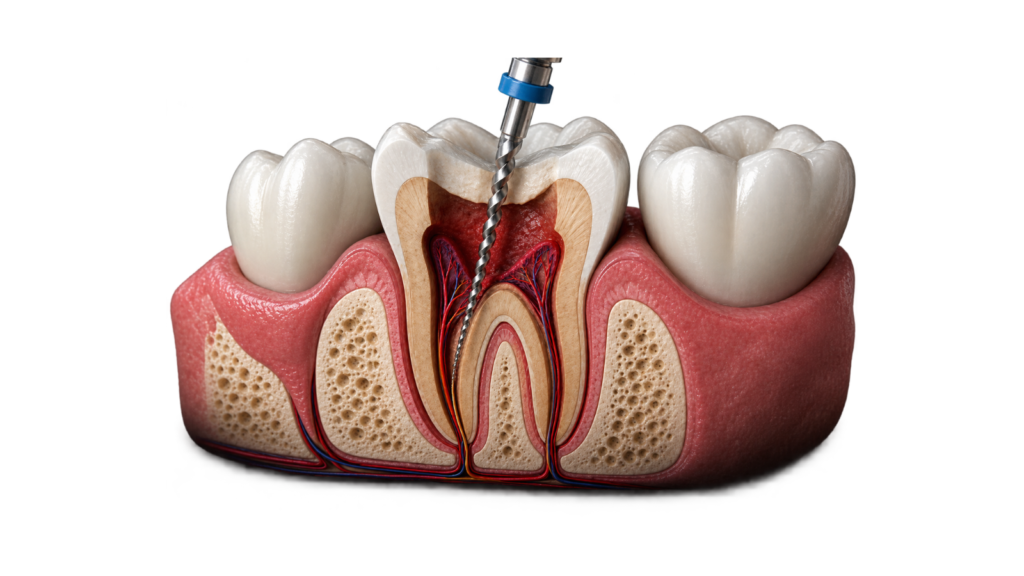
Root canal therapy is a dental procedure used to treat infection or inflammation inside a tooth. The inner part of the tooth, called the pulp, contains nerves and blood vessels. When it becomes damaged or infected, treatment may be needed to prevent the problem from progressing. During a root canal, the dentist removes the affected pulp, cleans and disinfects the inside of the tooth, and seals the space with a filling material. A crown may be recommended afterward to protect the tooth, depending on its condition.
When Do You Need a Root Canal?
Root canal treatment may be needed when the tooth pulp becomes irreversibly inflamed, infected, or damaged. Some teeth cause little or no pain, so a dental examination and X-rays, when needed, can help identify the problem. Common signs include:
Persistent Toothache
You may experience continuous or throbbing tooth pain that becomes worse when chewing, biting down, or applying pressure to the affected tooth.
Sensitivity to hot and cold
Your teeth may feel painful when consuming hot or cold foods and drinks, with discomfort that continues even after the temperature source is removed.
Swollen or Tender Gums
The gums around the affected tooth may become swollen, red, or painful to touch. In some cases, a small bump may develop near the infected area.
Deep Decay or Tooth Injury
Deep cavities, cracks, or injuries can expose or damage the tooth’s inner pulp, allowing bacteria to cause inflammation or infection that may require root canal treatment.
What Happens During Root Canal Treatment?
Step 1: Examination and Diagnosis
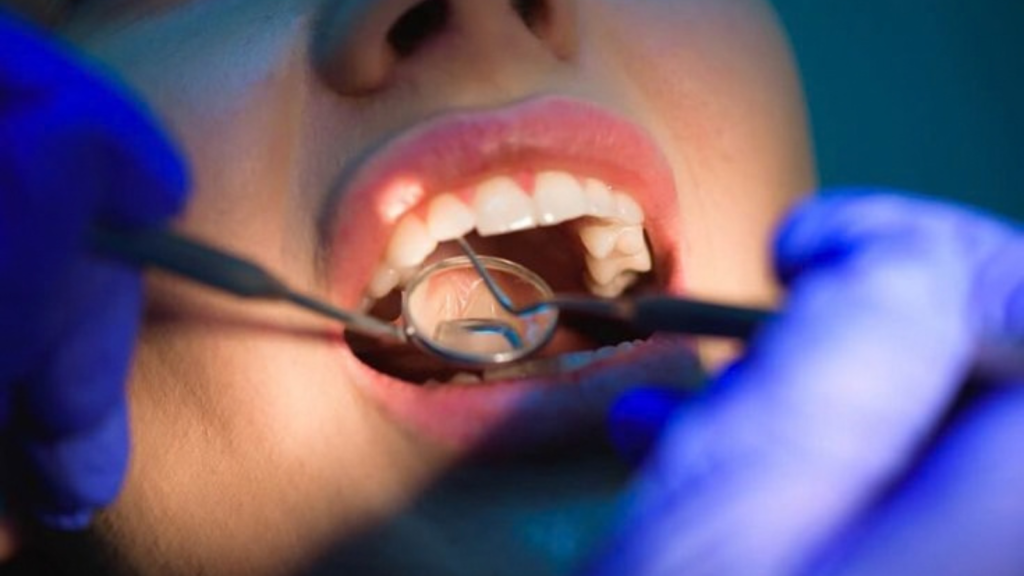
Your dentist examines and may take X-rays to assess the roots and surrounding tissues. Local anesthesia is used to help keep you comfortable throughout the procedure.
Step 2: Cleaning the Inside of the Tooth
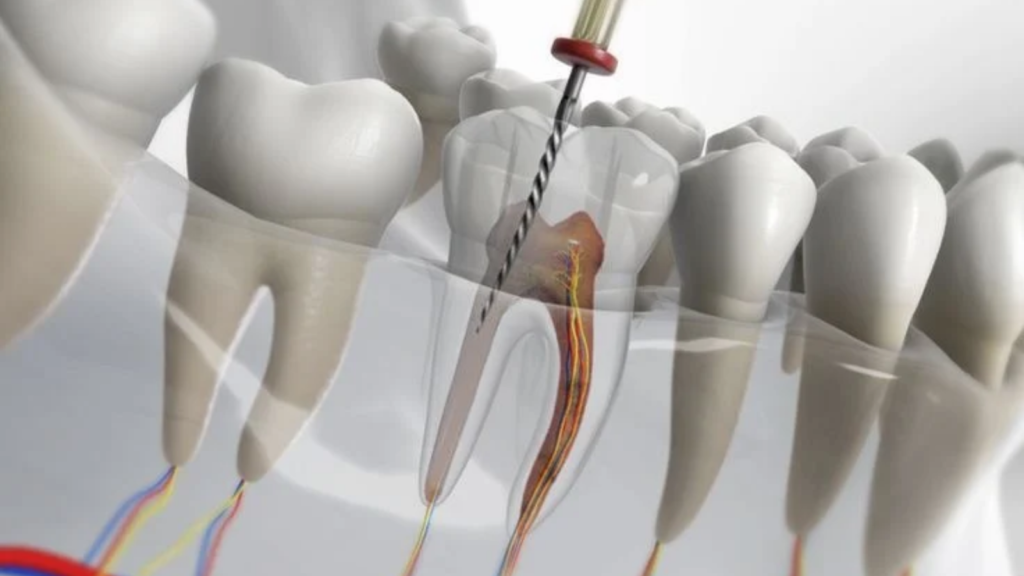
A small opening is made to access the pulp inside the tooth. The damaged tissue is removed, and the root canals are carefully cleaned and disinfected to remove bacteria.
Step 3: Sealing and Restoring the Tooth
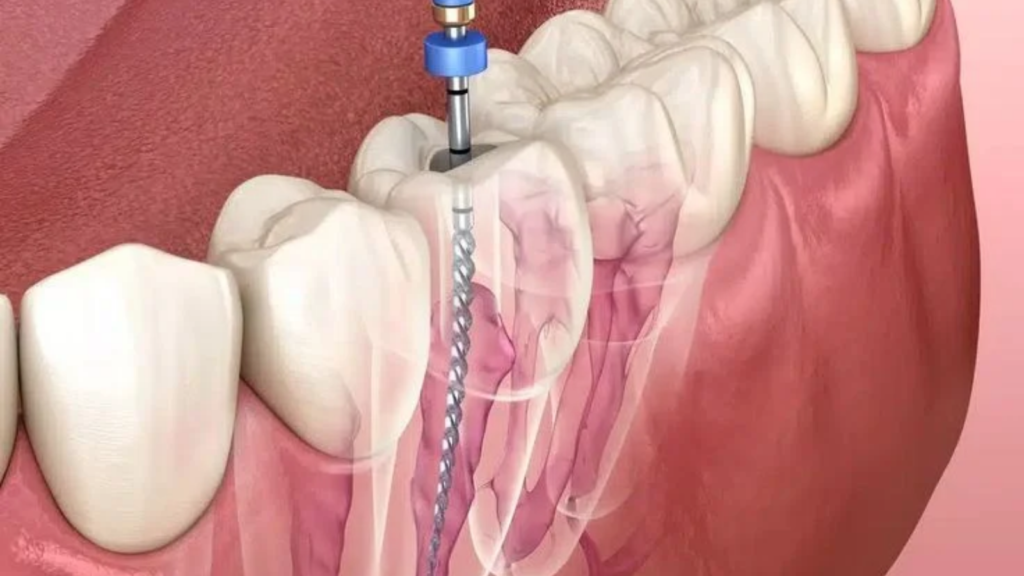
The cleaned canals are filled and sealed to help prevent reinfection. A permanent filling or dental crown is then placed to restore the tooth’s strength, function, and protection.
Is Root Canal Treatment Painful?
Root canal treatment is performed using local anesthesia to minimize discomfort during the procedure. Many patients seek treatment because of pain caused by the infection itself, and treating the underlying problem can help relieve that discomfort. Some tenderness or sensitivity may occur for a few days afterward. Follow your dentist’s aftercare instructions and contact the dental office if you experience severe pain, increasing swelling, or symptoms that do not improve.
Save Your Natural Tooth with Root Canal Therapy
Treating an infected or damaged tooth early can help relieve discomfort and prevent further complications. At Gallery Dental Care in Watsonville, California, our team can evaluate your symptoms, explain your treatment options, and help you take the next step toward better oral health.