
Periodontal Disease Treatment
Healthy gums help keep your teeth stable and protect the structures that support your smile. Periodontal disease can damage these tissues over time, sometimes without causing noticeable pain in its early stages. At Gallery Dental Care, we can assess your gum health, identify signs of periodontal disease, and help you understand the care needed to protect your teeth.
What Is Periodontal Disease?
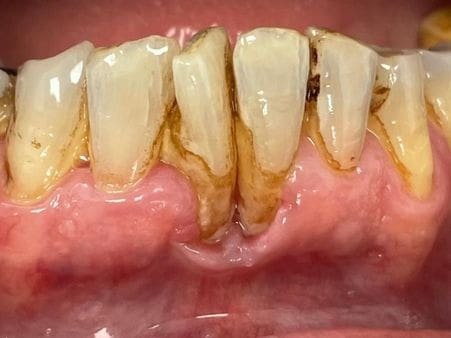
Periodontal disease, commonly known as gum disease, is an inflammatory condition affecting the gums and the tissues and bone that support your teeth. It often develops when plaque and tartar accumulate along and below the gumline.
In its early stage, called gingivitis, the gums may become red, swollen, or bleed easily. If the condition progresses to periodontitis, the supporting tissues and bone can become damaged, potentially causing gum recession, loose teeth, and tooth loss.
Early diagnosis and appropriate periodontal care can help manage the condition and reduce the risk of further damage.
What Are the Signs of Periodontal Disease?
Periodontal disease can develop gradually, and symptoms may not always be obvious at first. Watch for changes such as:
Bleeding or swollen gums: Gums bleed during brushing or flossing, or appear red and tender.
Persistent bad breath: Unpleasant breath or a lingering bad taste despite regular oral hygiene.
Receding gums: Gums pull away from the teeth, making them appear longer.
Changes in tooth stability: Teeth feel loose, shift position, or your bite feels different.
Discomfort while chewing: Tenderness or discomfort develops around the gums or teeth.
If you notice these changes, schedule a dental evaluation. Loose teeth, significant swelling, or worsening symptoms should be assessed promptly.
How Is Periodontal Disease Diagnosed?
Periodontal care begins with understanding the condition of your gums and the supporting structures around your teeth. Your dentist examines your gums for inflammation, recession, and areas where plaque or tartar has accumulated. A periodontal probe may be used to measure the spaces between your teeth and gums, known as periodontal pockets. Dental X-rays may also be recommended to assess bone levels and identify damage that cannot be seen during a visual examination. These findings help determine the severity of the disease and guide an appropriate treatment plan.
What Does Periodontal Disease Treatment Involve?
Treatment depends on the stage of periodontal disease, the amount of damage present, and your individual oral health needs.
Professional Dental Cleaning
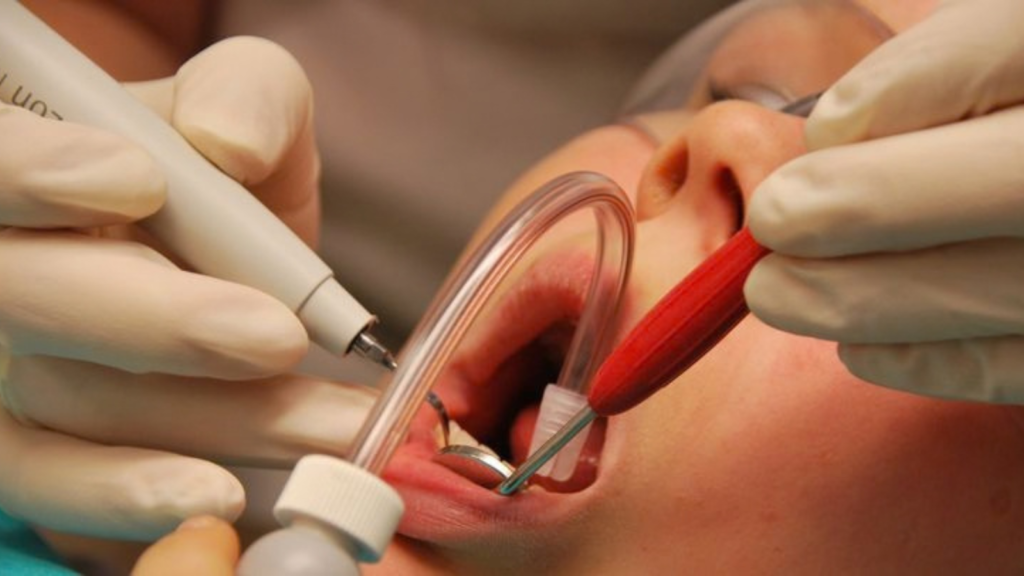
When gum inflammation is limited to gingivitis, professional cleaning can remove plaque and tartar buildup. Your dental team may also recommend improvements to your daily brushing and flossing routine to help control the inflammation.
Scaling and Root Planning
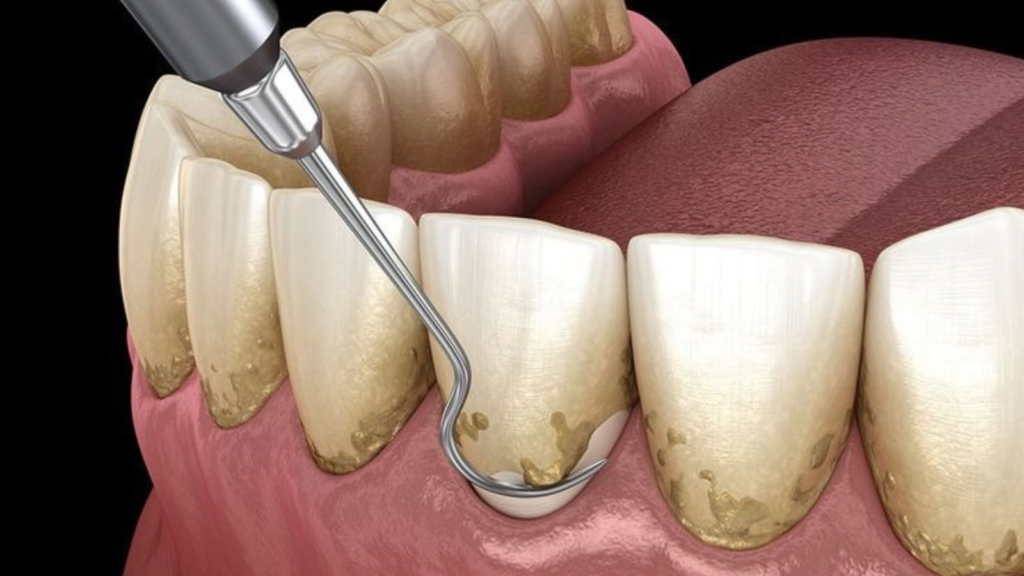
For periodontitis, a deeper cleaning called scaling and root planing may be recommended. This procedure removes plaque and tartar from below the gumline and smooths the root surfaces to help the gums heal and reduce bacterial buildup.
Periodontal Maintenance
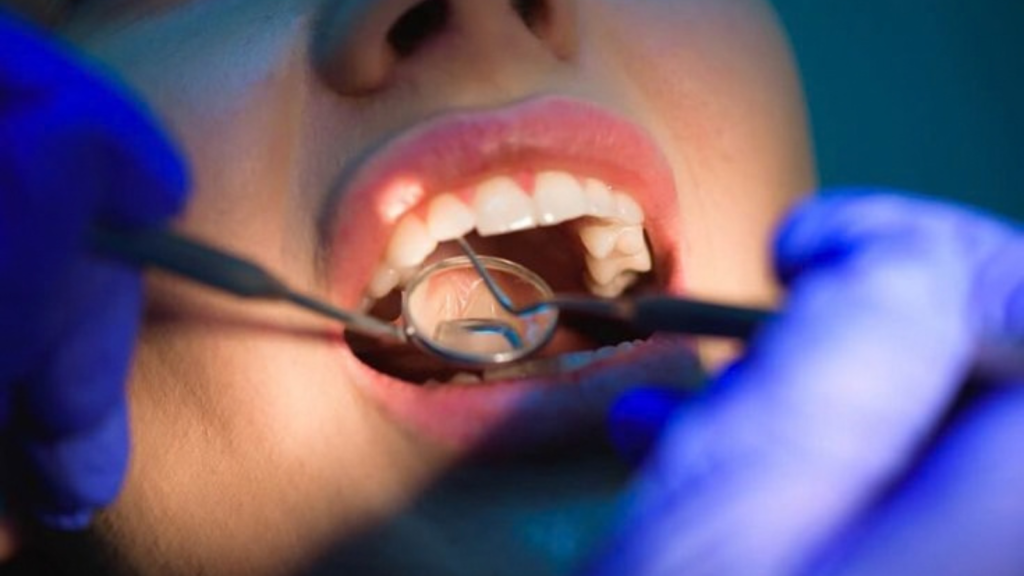
After treatment, regular periodontal maintenance visits help monitor your gums, remove plaque and tartar, and manage disease progression. Your dentist will recommend a schedule based on your condition and response to treatment.
Can Periodontal Disease Be Reversed?
The outcome depends on how far the disease has progressed. Gingivitis can generally be reversed with professional cleaning and consistent oral hygiene because it has not yet caused the permanent loss of supporting bone or tissue.
Periodontitis, however, can cause lasting damage to the structures supporting your teeth. Although existing bone loss is not usually reversible through routine cleaning alone, treatment can help control the disease, reduce inflammation, and limit further damage.
Ongoing professional care and good daily oral hygiene are essential for maintaining the results.
How Can You Maintain Healthy Gums After Treatment?
Periodontal care does not end when the initial treatment is complete. Consistent daily habits and regular dental visits help keep gum disease under control.
Brush twice daily with fluoride toothpaste, paying attention to the gumline.
Clean between your teeth every day using floss or an appropriate interdental cleaner.
Avoid tobacco products, which can increase the risk of periodontal problems and affect healing.
Keep up with the periodontal maintenance schedule recommended by your dentist.
Inform your dental team about health conditions, such as diabetes, that may affect gum health.
If you notice bleeding, swelling, or other changes returning after treatment, arrange a dental review.
Protect Your Gums with Us
Taking care of your gums is an important part of protecting your natural teeth. At Gallery Dental Care, our team can evaluate your periodontal health, discuss suitable treatment options, and help you understand the steps involved in maintaining healthier gums.