
Invisalign® Treatment: Benefits, Process, and What to Expect
A straight smile can make you feel more confident, but not everyone wants to wear traditional metal braces to achieve it. Invisalign® offers an alternative through a series of clear, removable aligners designed to gradually move your teeth into better alignment. Whether you have crooked teeth, gaps, or concerns about your bite, understanding how Invisalign works can help you decide if it is the right option for you. Here is what you need to know about the treatment, its benefits, and what to expect along the way.
What Is Invisalign®?
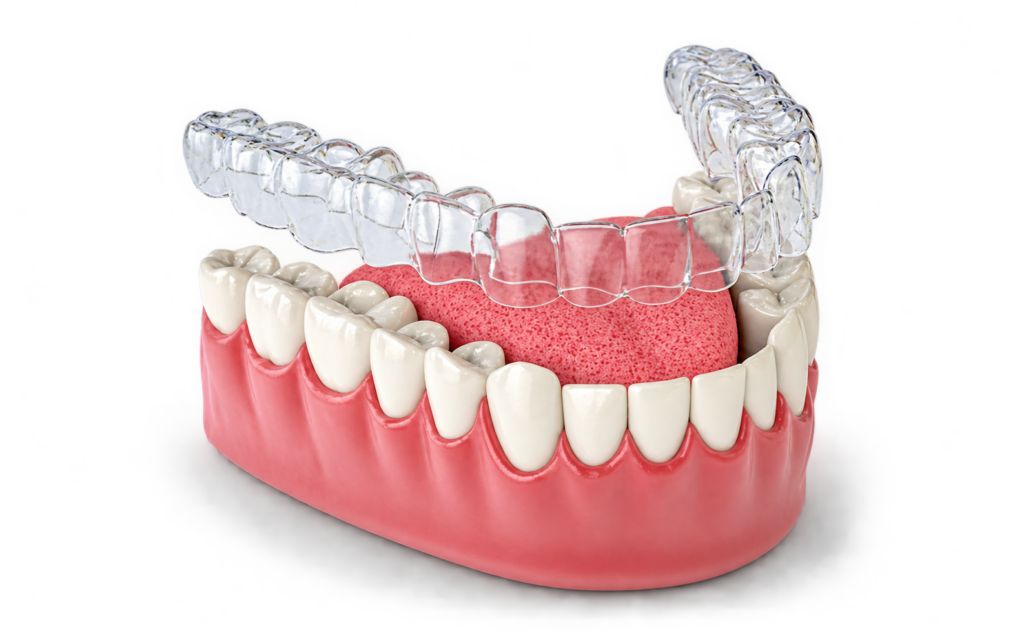
Invisalign is an orthodontic treatment that uses clear, custom-made plastic aligners to gradually straighten your teeth. Instead of metal brackets and wires, you wear a series of transparent trays that apply gentle, controlled pressure to move your teeth over time.
Each set of aligners is designed to make small adjustments to the position of your teeth. As you progress through the series, your teeth gradually move closer to their planned positions.
Because the aligners are removable and less noticeable than traditional braces, Invisalign can be a convenient option for people who want to straighten their teeth without significantly changing their everyday appearance.
What Causes Crooked or Misaligned Teeth?
Teeth can become crooked or misaligned for several reasons. In many cases, genetics plays a role in determining the size and shape of your jaw and teeth. When there is not enough room in the jaw, teeth may overlap or become crowded. In other cases, extra space can cause gaps between teeth.

Childhood habits, such as prolonged thumb-sucking, can affect how teeth and jaws develop. Differences in jaw growth may cause bite problems, including overbites, underbites, and crossbites.
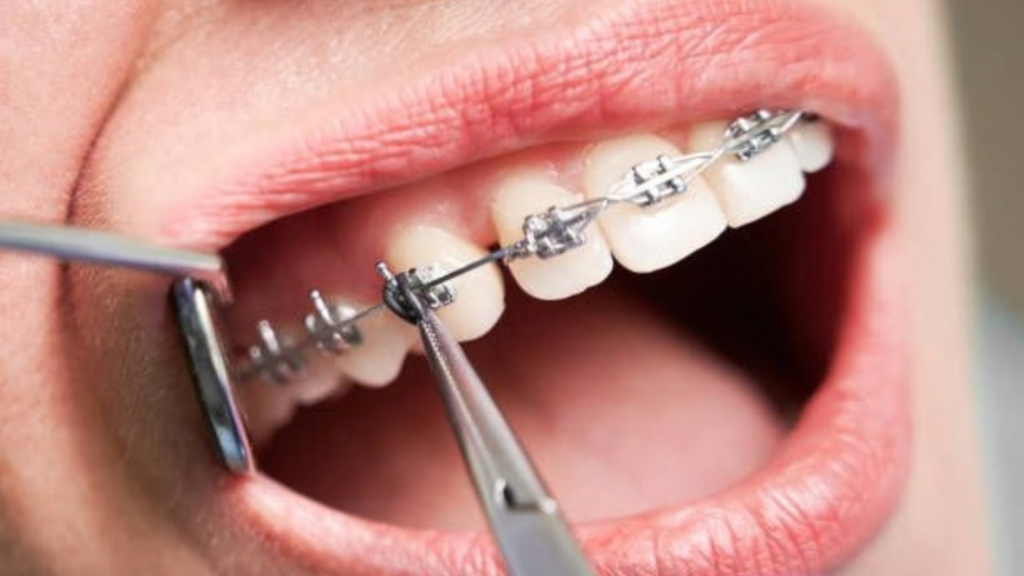
Teeth can also shift over time, especially after tooth loss or when retainers are not worn as directed following orthodontic treatment. Changes in alignment may gradually affect your bite and overall smile.
Although some alignment concerns are mainly cosmetic, others can make cleaning difficult or affect how your teeth fit together. A dental examination can help identify the cause and determine whether treatment is necessary.
What Dental Concerns Can Invisalign® Help Address?
Invisalign can help treat several common alignment concerns, depending on their severity and your individual dental needs. Not every orthodontic concern can be treated with Invisalign alone. Your dentist or orthodontist can assess your teeth and recommend the most appropriate treatment.
Crowded or Crooked Teeth
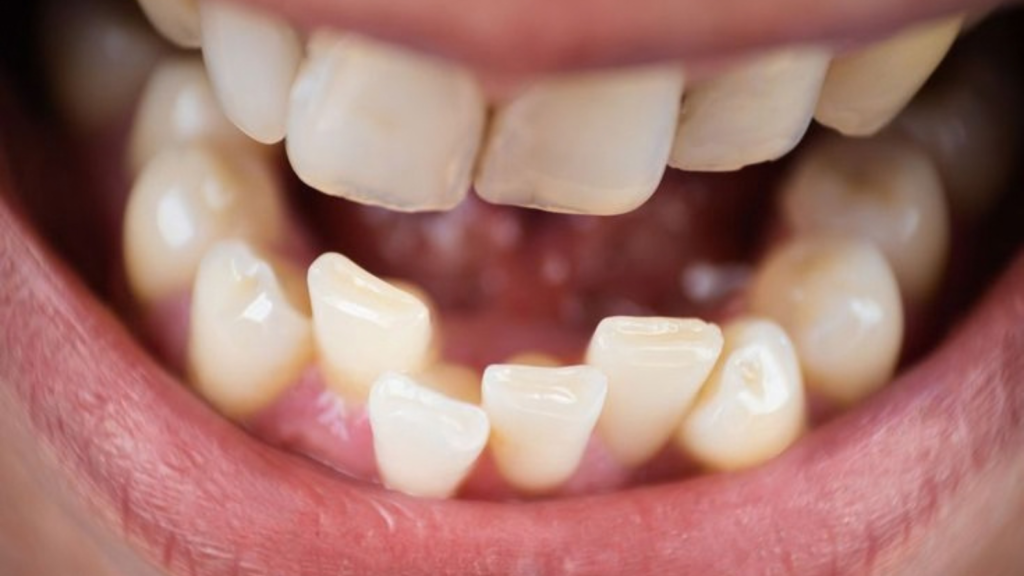
When teeth overlap or appear uneven, aligners can gradually move them into a more organized position.
Gaps between Teeth
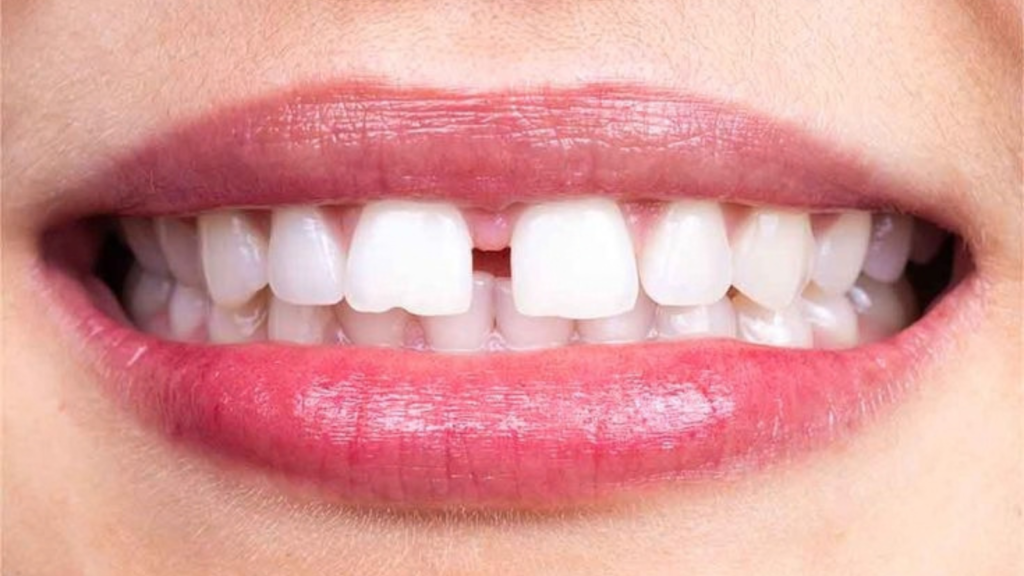
Invisalign can help close certain gaps and spaces between teeth, creating a more even teeth structure and smile.
Bite Problems
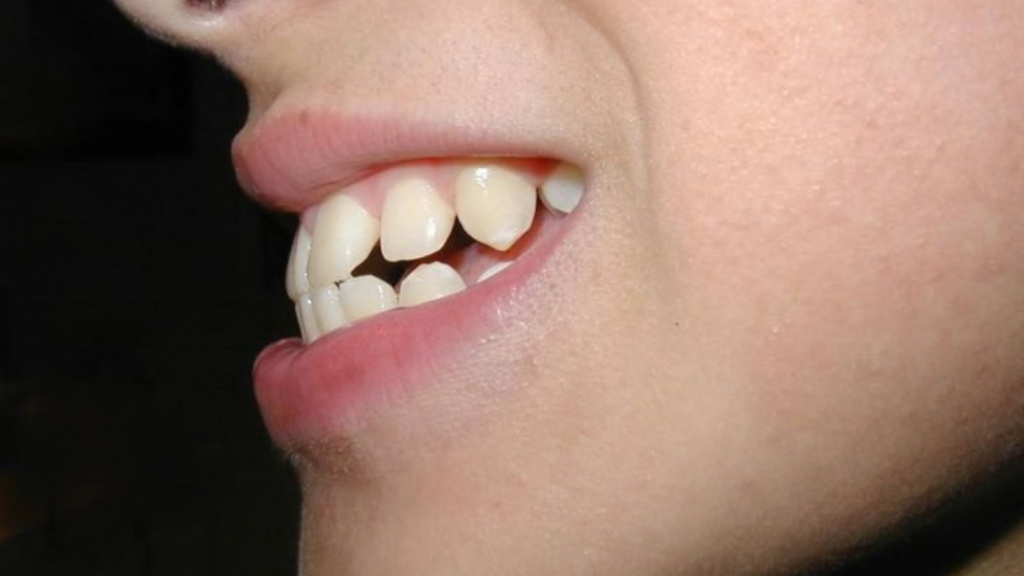
Invisalign can treat some overbites, underbites, crossbites, and open bites, depending on their complexity.
What Are the Benefits of Invisalign®?
One of the main reasons people choose Invisalign is its discreet appearance. The clear aligners are less noticeable than traditional metal braces, making them appealing to adults and teenagers who prefer a more subtle treatment option.
Another advantage is that the aligners can be removed when eating, brushing, and flossing. You can continue enjoying your usual meals without worrying about food becoming trapped in brackets or wires. Removing the aligners also allows you to maintain your regular oral hygiene routine.
Invisalign aligners are custom-made to fit your teeth and are designed without the metal brackets and wires used in traditional braces. You may experience some pressure or temporary discomfort when switching to a new set, as your teeth begin to move.
However, successful treatment requires commitment. Aligners generally need to be worn for 20–22 hours each day, following your dentist’s instructions.
How Does the Invisalign® Treatment Process Work?
Step 1: Your Initial Consultation
Your Invisalign journey begins with a consultation. Your dentist examines your teeth, gums, and bite, discusses your concerns, and checks whether Invisalign suits your needs and goals for your smile.
Step 2: Digital Scans and Treatment Planning
If Invisalign is suitable, your dentist takes digital scans to plan tooth movements and create a treatment plan. You may also see a preview of the expected results; outcomes can vary overall.
Step 3: Receiving Your Custom Aligners
Your aligners are made to match your treatment plan. Each set gradually moves your teeth. Your dentist explains how to wear, remove, and care for them, and when to switch sets throughout your care.
Step 4: Wearing Your Aligners Consistently
Wear aligners for 20–22 hours daily, removing them for meals, drinks other than water, and oral hygiene. Change sets as prescribed to help keep treatment on track, as your dentist recommends to you.
Step 5: Attending Follow-Up Appointments
Regular dental visits let your dentist check tooth movement and treatment progress. Depending on your needs, additional aligners may be required to help achieve the planned results when necessary.
Step 6: Maintaining Your Results With Retainers
After Invisalign treatment, your dentist will usually recommend retainers. Teeth can gradually shift toward their previous positions, so wearing retainers helps maintain your results as advised.
Ready to Take the First Step Toward a Straighter Smile?
You deserve to feel comfortable and confident about your smile. At Gallery Dental Care, we can help you understand your options, answer your questions, and determine whether Invisalign® is suitable for your dental needs.