
Oral Cancer Exams
Early Detection Starts with a Simple Exam. Your oral health involves more than just your teeth and gums. Oral cancer exams help dentists identify unusual changes in the mouth, lips, tongue, and surrounding tissues. At Gallery Dental Care, these examinations are an important part of understanding your oral health and identifying concerns that may need further evaluation.
What Is an Oral Cancer Exam?
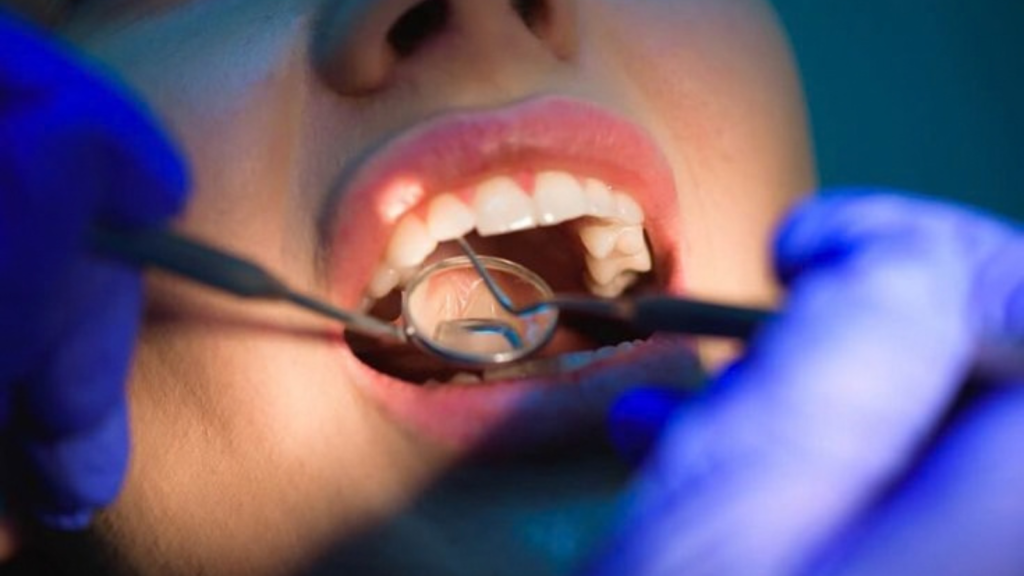
An oral cancer exam is a screening examination in which your dentist checks the tissues inside and around your mouth for unusual patches, sores, lumps, or other changes. The exam is generally quick and non-invasive and may be included as part of a routine dental visit.
Although many oral changes are harmless, identifying suspicious areas early can help ensure that they receive appropriate attention.
What Happens During an Oral Cancer Exam?
Your dentist will examine your lips, cheeks, gums, tongue, the roof and floor of your mouth, and other accessible tissues for unusual changes. They may gently feel parts of your mouth, jaw, and neck to check for lumps or abnormalities.
If an area appears concerning, your dentist may recommend further assessment or refer you to a specialist. A screening exam alone cannot diagnose or rule out oral cancer.
Sores That Do Not Heal for a long time
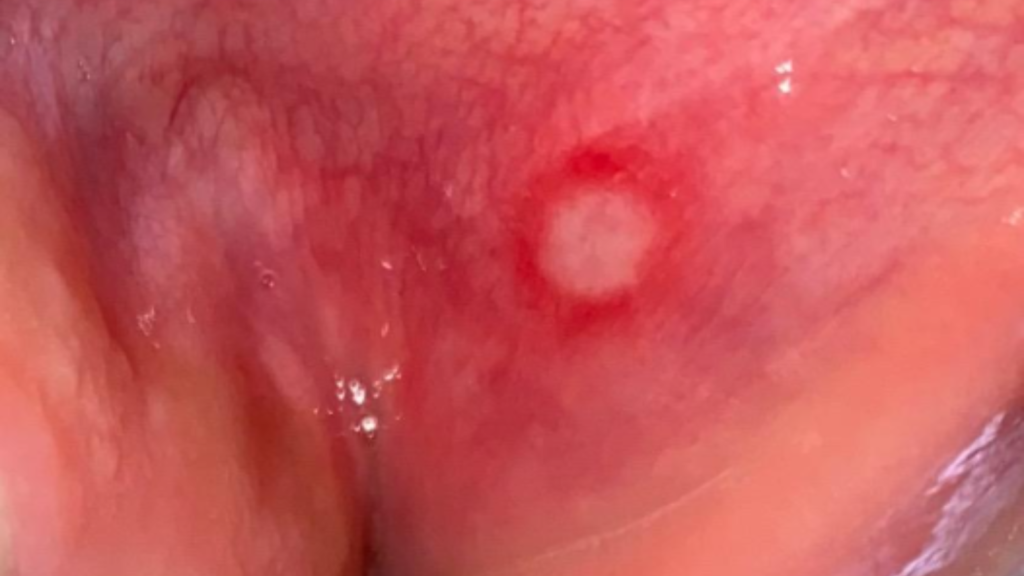
Most mouth sores heal within a week or two. Sores that persist, bleed, or fail to improve should be examined by a dentist. And seek advice if healing seems slow or unusual.
Red or White Patches in the Mouth
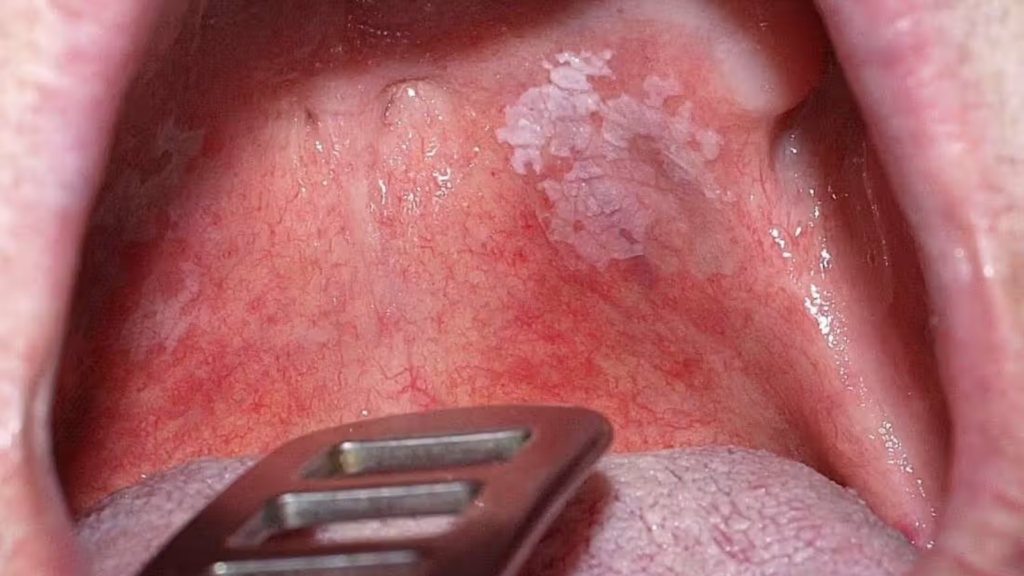
Red or white patches on the tongue, gums, or inner cheeks may indicate abnormal tissue changes. Persistent patches should be evaluated by a dental professional.
Unexplained Lumps or Thickened Areas
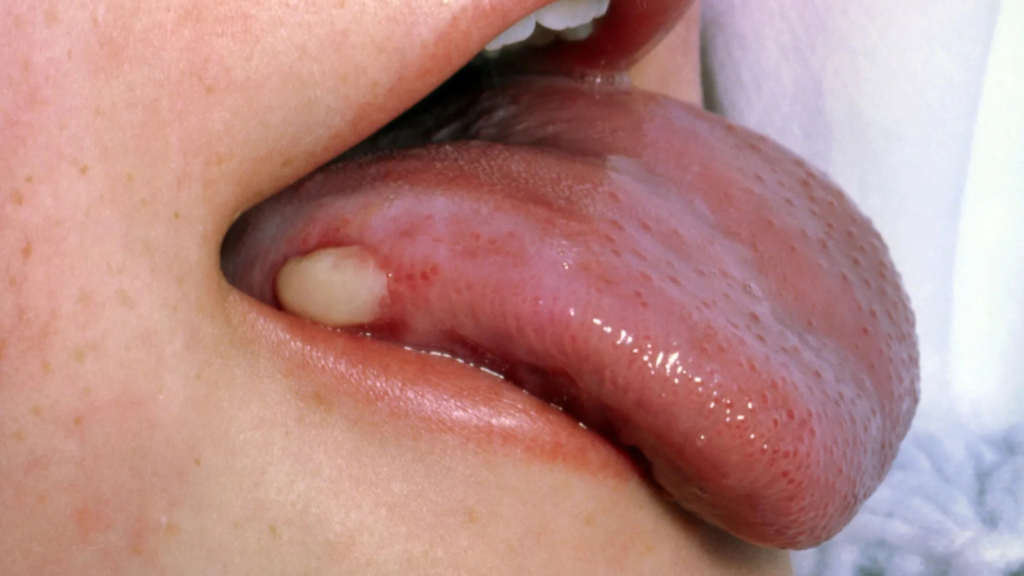
Lumps, swelling, or thickened areas inside the mouth or around the jaw or neck should be checked, especially if they persist, grow, or cause discomfort too.
Why Are Oral Cancer Exams Important?
Oral cancer can sometimes develop without obvious symptoms in its early stages. Regular dental visits provide an opportunity to identify suspicious changes and determine whether further investigation is needed.
Tobacco use, alcohol consumption, and certain other factors can increase the risk of oral cancer. However, it can also affect people without these risk factors, making awareness of changes in your mouth important for everyone.
Take a Proactive Step for Your Oral Health
Looking after your oral health means paying attention to changes, asking questions, and keeping up with regular dental visits. Gallery Dental Care is here to help you understand your oral health and guide you toward appropriate care when concerns arise.