
Dental Bone Grafting
When the jawbone loses density or volume, it may affect the stability of teeth and the ability to support dental implants. Dental bone grafting helps rebuild or strengthen areas of weakened bone, creating a more stable foundation for future dental treatment. At Gallery Dental Care, we help patients understand their options based on their oral health needs.
When Is Dental Bone Grafting Needed?
Your dentist may recommend bone grafting when the jawbone lacks sufficient volume or strength to support dental implants or other restorative treatments. Bone grafting helps rebuild or preserve the jawbone, depending on your dental needs.
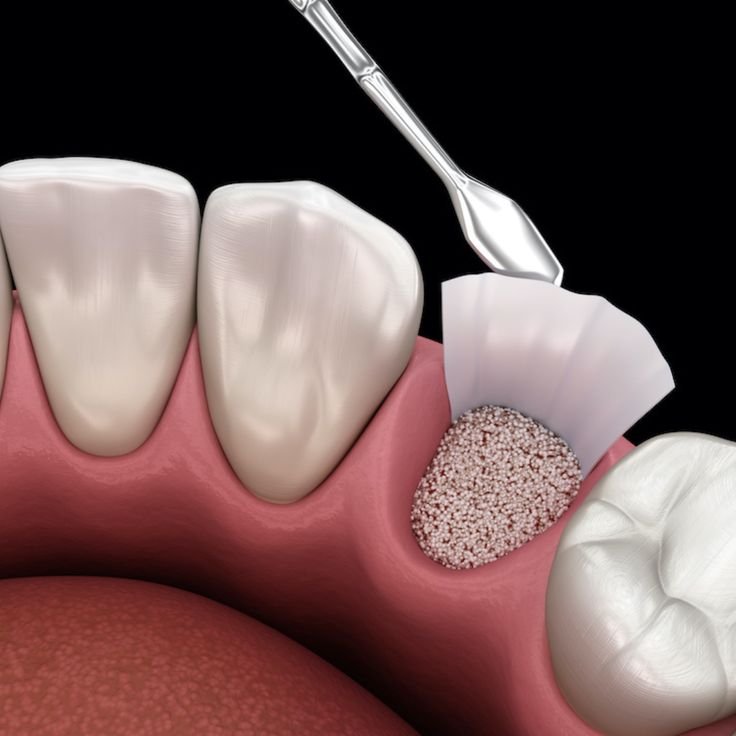
Preparing for Dental Implants: Bone grafting adds volume to areas with insufficient bone, helping create a stronger foundation to support a dental implant.
Bone Loss After Tooth Extraction: After a tooth is removed, the surrounding jawbone may shrink over time. Bone grafting helps preserve or rebuild the area for future restoration.
Bone Loss From Gum Disease: Advanced periodontal disease can damage the bone supporting your teeth. In selected cases, bone grafting may help rebuild lost bone and improve tooth support.
Jawbone Deficiencies: Areas with thin or weakened jawbone may need additional support. Bone grafting helps restore bone volume to support planned dental procedures.
What Happens During a Bone Graft Procedure?
Examination and Preparation
Your dentist examines your teeth, gums, and jawbone and may take dental X-rays or 3D scans to assess the extent of bone loss. Based on your needs, the dentist selects a suitable grafting material and explains the procedure. Local anesthesia is administered to keep you comfortable throughout the treatment.
Graft Placement
Your dentist makes a small incision in the gum to expose the area where bone support is needed. The grafting material is carefully placed in the affected area to encourage new bone growth. Depending on your condition, a protective membrane may be placed over the graft to keep it secure and support healing.
Immediate Aftercare
After placing the graft, your dentist repositions the gum tissue and closes the incision with stitches. You will receive instructions on managing swelling, maintaining oral hygiene, and choosing soft foods during recovery. Over the following months, the graft integrates with the surrounding bone to support future dental treatments.
What Is Recovery Like After a Bone Graft?
Some tenderness, mild swelling, and light bleeding are common for the first few days after the procedure. While your gum tissue will heal in a couple of weeks, complete healing—where the new bone fully fuses with your jawbone—takes several months. To support recovery:
Avoid touching the surgical site with your tongue or fingers.
Choose soft foods and chew on the opposite side of your mouth while the area heals.
Apply an ice pack to your cheek to help minimize initial swelling.
Follow your dentist’s instructions for cleaning your mouth safely without disturbing the stitches or the graft. Contact your dentist if you experience severe or worsening pain, persistent bleeding, fever, or increasing swelling after the first few days.
What Are the Next Steps After a Bone Graft?
Once the bone graft has fully healed and integrated with your natural jawbone, you will have a strong, stable foundation for further dental work. If the graft was placed in preparation for a dental implant, your dentist will evaluate the new bone growth to determine the perfect time to safely place your implant and restore your missing tooth.
Get the Care Your Smile Needs
When jawbone loss threatens the health or restoration of your smile, timely treatment can help rebuild your jaw’s strength and prevent further dental complications. At Gallery Dental Care in Watsonville, California, our team can assess your jawbone health, explain your options, and help you feel comfortable throughout the bone grafting process.