
Dental Emergencies
A sudden toothache, broken tooth, or dental injury can be painful and stressful. Knowing when to seek care can help prevent the problem from getting worse. At Gallery Dental Care, we help patients understand their symptoms and explore the right next steps for their dental needs.
What Is a Dental Emergency?
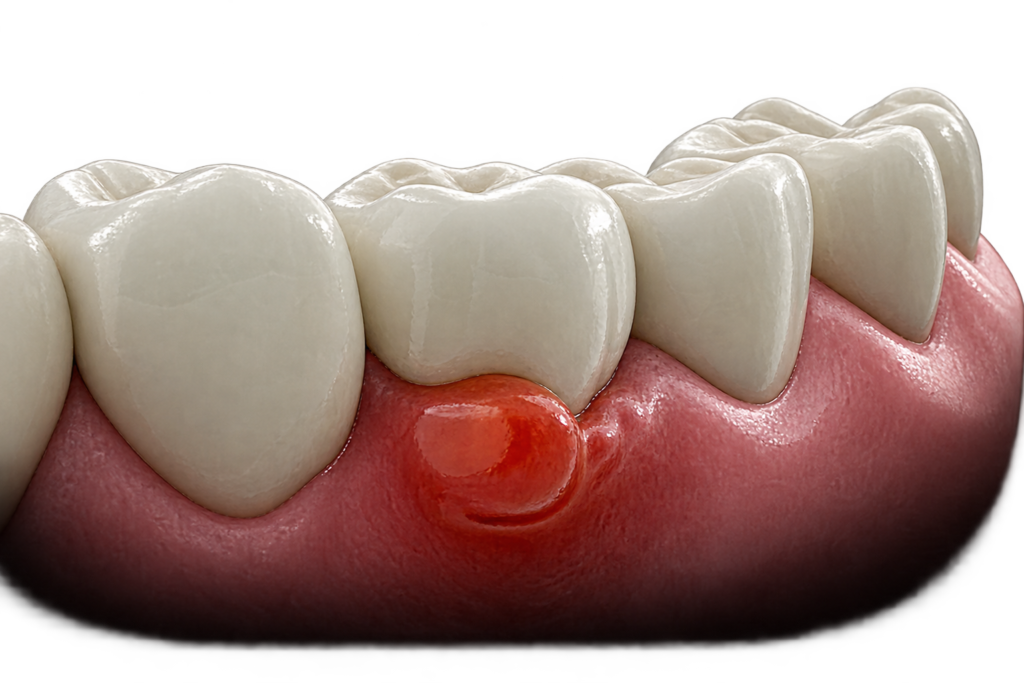
A dental emergency is a problem involving your teeth, gums, or mouth that requires prompt attention to relieve pain, manage damage, or prevent further complications. Common dental emergencies include severe or persistent toothaches, knocked-out or broken teeth, cracked teeth causing pain, dental abscesses, swollen gums or facial swelling, uncontrolled bleeding, and injuries to the mouth. A lost filling or crown may also need timely care, especially if it causes pain or exposes the underlying tooth. While some conditions require immediate attention, others can be assessed during a prompt dental appointment. If you experience severe swelling, difficulty breathing or swallowing, or uncontrolled bleeding, seek emergency medical care immediately.
When Should You Seek Emergency Dental Care?
Severe or Persistent Toothache
Persistent or throbbing tooth pain that worsens when chewing may indicate deep decay, nerve damage, or an infection that requires prompt dental attention.
Lost Filling or Crown
A missing filling or crown can expose the sensitive inner tooth structure, causing discomfort and leaving the tooth vulnerable to further damage or infection.
Swelling or Signs of Infection
If you experience swelling around the gums or face, pus, or a persistent bad taste may indicate a dental infection that needs prompt treatment before it spreads.
Cracked, Broken, or Lost Tooth
A tooth that cracks, breaks, or gets knocked out during an accident needs urgent attention to reduce further damage and improve the chances of saving it.
Bleeding or Mouth Injuries
If you experience bleeding that does not stop after an injury, or damage to the teeth, gums, or soft tissues of the mouth, requires immediate professional assessment.
Loose or Displaced Tooth
A tooth that becomes loose, shifts out of position, or feels unstable after an injury needs prompt evaluation to determine whether it can be stabilised and preserved.
What Should You Do During a Dental Emergency?
Stay Calm and Assess the Problem
Avoid chewing on the affected side and check the area gently. If a tooth is knocked out, hold it by the crown, never the root, and seek immediate dental care.
Protect the Affected Area Immediately
Gently rinse your mouth with warm water and apply a cold compress externally to reduce swelling. Keep a knocked-out permanent tooth moist in milk or a tooth-preservation solution.
Contact Your Dentist for Prompt Care
Call your dentist as soon as possible and explain your symptoms, pain level, or how the injury occurred. This helps the dental team assess the urgency and recommend the next steps.
Get Help for Unexpected Dental Problems
Dental emergencies can be unsettling, but prompt assessment can help protect your oral health and reduce the risk of complications. Gallery Dental Care in Watsonville, California, can help you understand your symptoms and the appropriate next steps for your dental care.