
Teeth Bonding
Chipped edges, small gaps, and uneven teeth can affect how you feel about your smile. Teeth bonding offers a simple way to improve these imperfections using tooth-colored material that blends with your natural teeth. At Gallery Dental Care, we can help you explore your options for a smile that looks and feels like you.
What Is Teeth Bonding?
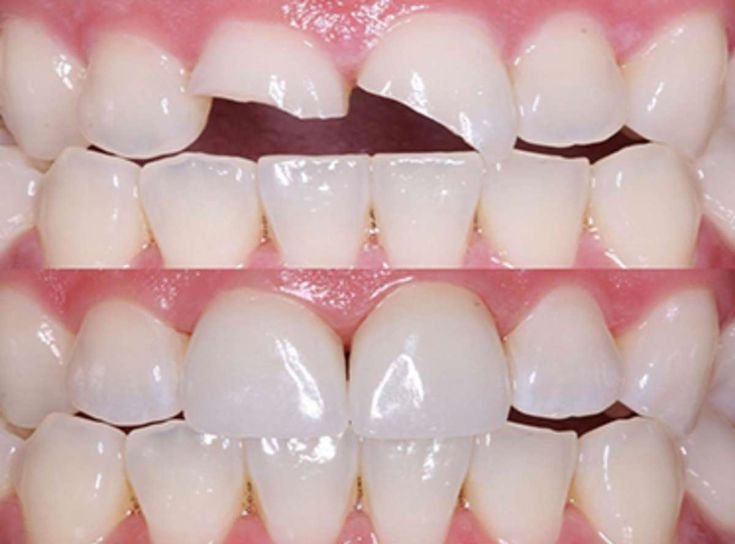
Teeth bonding is a cosmetic dental procedure that uses tooth-colored composite resin to repair minor imperfections and improve the appearance of teeth. The material is carefully shaped and polished to blend with your natural tooth structure.
Bonding can be used to repair small chips, close certain gaps, improve uneven edges, and cover some areas of discoloration. It is often a conservative option because it typically requires little to no removal of natural tooth structure.
What Can Teeth Bonding Help Improve?
Chipped or Worn Teeth

Bonding repairs small chips and worn edges, helping teeth look more even, natural, and complete to improve your smile.
Small Gaps Between Teeth
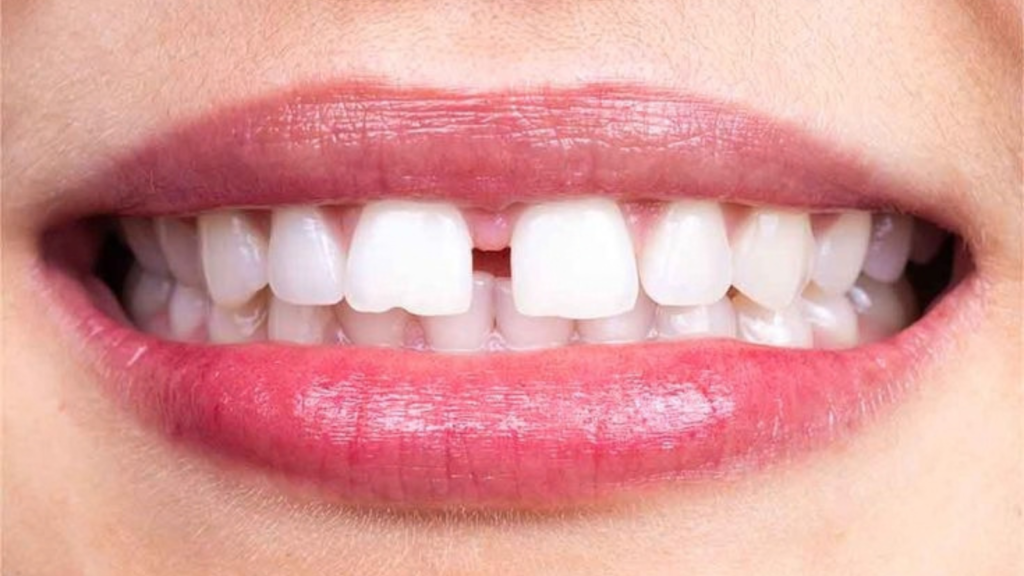
Composite resin can reduce small spaces between suitable teeth, creating a balanced, even-looking smile if suitable too.
Uneven Shape of Natural Teeth
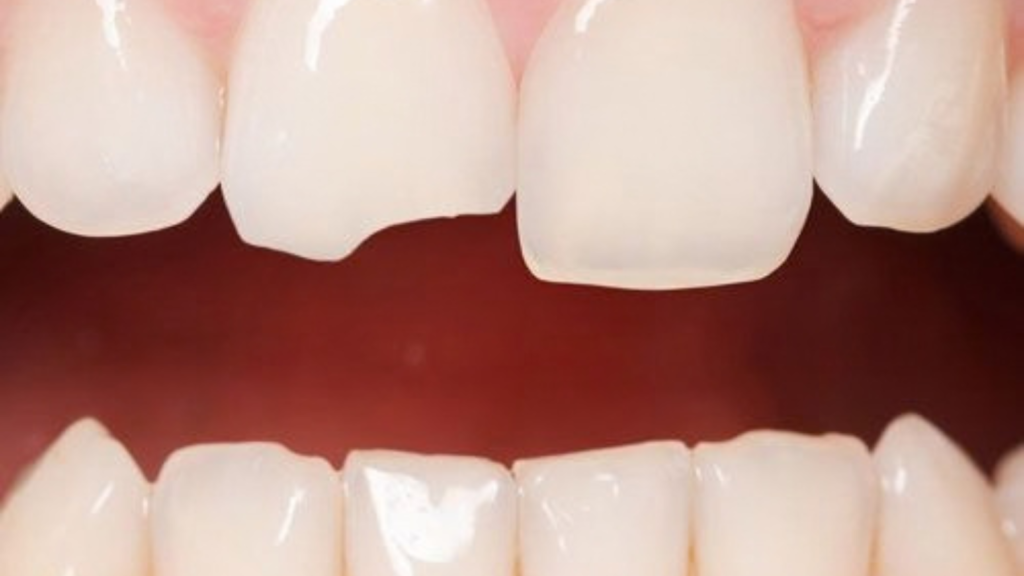
Bonding can refine teeth that look short, irregular, or misshapen, improving their shape and smile balance and symmetry.
Minor Teeth Discoloration
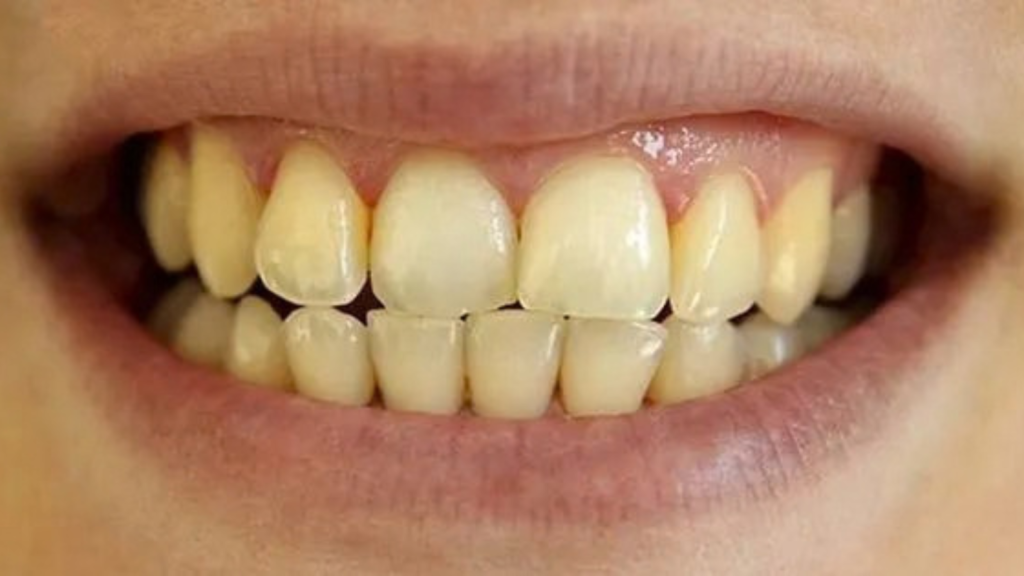
Tooth-colored resin can cover certain stains that resist whitening. Your dentist can advise if bonding is suitable as well.
What Happens During the Teeth Bonding Procedure?
Teeth bonding is generally completed in a single appointment. Your dentist first selects a resin shade that closely matches your natural teeth. The tooth surface is then prepared so the material can adhere properly. Next, the composite resin is applied, shaped, and hardened using a special curing light. Your dentist makes any final adjustments and polishes the tooth to create a smooth, natural-looking finish. In most cases, bonding does not require anesthesia unless the treatment involves a deeper area or additional dental work.
How Long Does Dental Bonding Last?
Dental bonding can last several years, depending on the location of the bonded tooth, your bite, and your daily habits. The material can chip or stain over time, particularly if you bite hard objects or frequently consume staining foods and drinks.
Avoid chewing ice, biting fingernails, or using your teeth to open packaging. Brush twice daily, floss regularly, and attend routine dental checkups so your dentist can monitor the bonded areas and recommend repairs when needed.
Let's Enhance Your Smile
You do not always need extensive treatment to make a noticeable difference to your smile. At Gallery Dental Care, our team can help you understand whether teeth bonding is suitable for your needs and guide you through your options.